Category: Horror

Definitely not scary since I didn’t watch it. But here’s what I imagine.

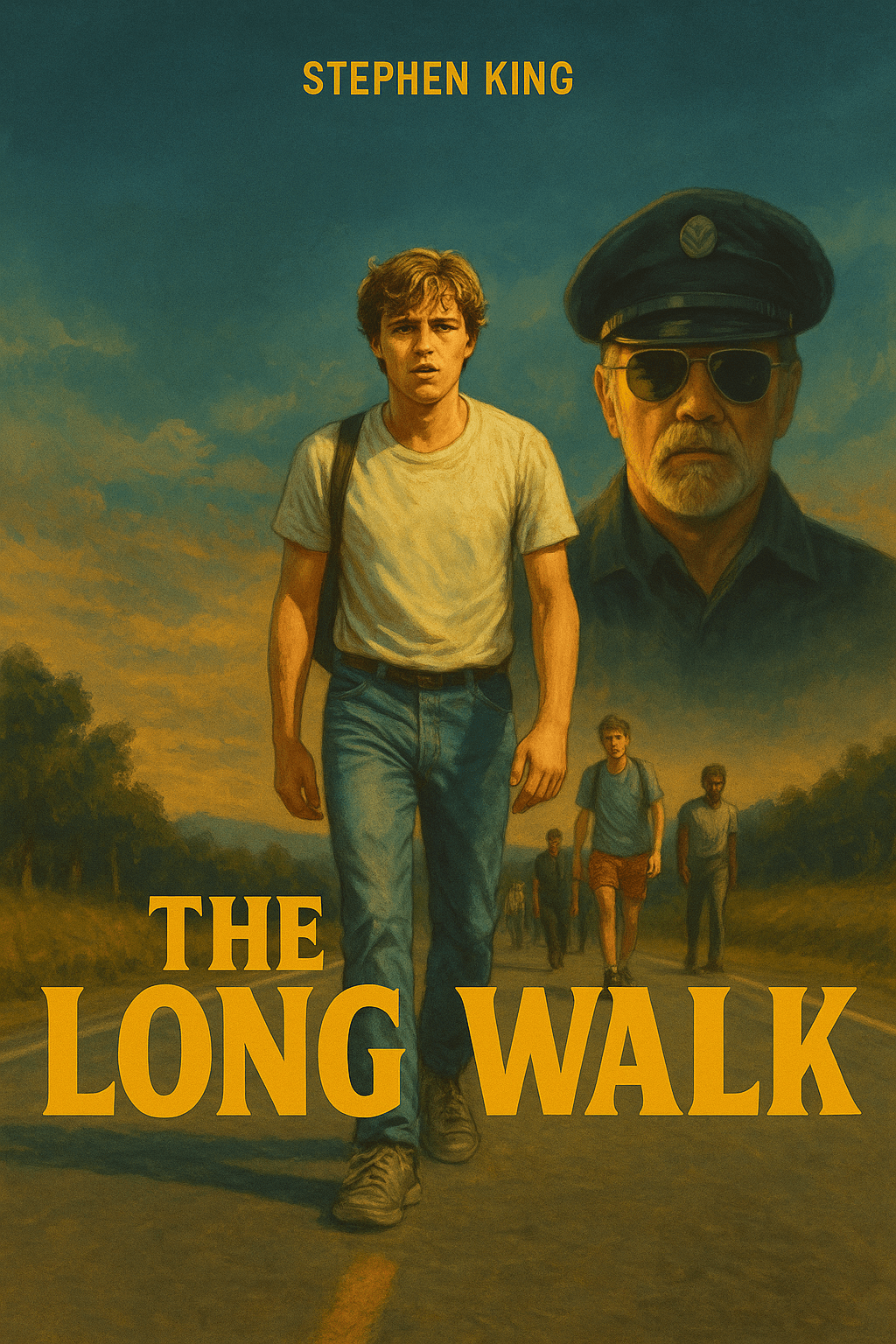
  • The Long Walk: America’s Next Top Trauma

    The Long Walk: America’s Next Top Trauma

    Stephen King’s The Long Walk asks one simple question: what if middle school gym class ended in state-sanctioned execution?

    In a future where the government solves boredom by making teenage boys walk until they literally drop dead, 100 kids are forced into a cross-country death march with exactly zero snack breaks. Walk too slow, get three warnings, and—boom—you’re deleted like last season’s streaming content.

    Cooper Hoffman plays Ray Garraty, a sad-eyed boy with just enough backstory to make his inevitable demise feel poetic. He’s joined by Peter McVries (hot, haunted), Stebbins (probably a clone), and Barkovitch (definitely not okay). Meanwhile, Mark Hamill shows up as The Major, a military daddy figure who hands out trauma like participation trophies.

    It’s bleak. It’s brutal. It’s allegedly a metaphor. And according to early buzz, the movie changes the book’s ending—which has already triggered at least five Reddit meltdowns and one guy threatening to walk in protest.

    4.5 out of 5 government-issued step counters.

    Come for the existential dread. Stay because you physically can’t stop.

  • The Toxic Avenger

    The Toxic Avenger

    They said justice is blind. They didn’t say it would be radioactive, shirtless, and wielding a mop.

    Toxic Avenger marks the triumphant return of Tromaville’s least subtle hero, this time courtesy of a reboot starring Peter Dinklage as a disfigured janitor turned toxic crusader. Directed with campy precision and just enough budget to make you wonder where the rest went, this film revives the spirit of Troma’s cult classic—and smears it across the lens in glowing green goo.

    Kevin Bacon plays the villain, a corporate overlord who’s one part Elon Musk, one part melted action figure. He chews scenery with the same intensity you’d expect from a man who once danced angrily in a warehouse—only now he’s doing it in a lab coat, surrounded by sentient sludge and evil interns.

    The film took years to see the light of day, with early cuts reportedly considered “unreleasable” and at least one test screening ending in what eyewitnesses described as “confused applause and a guy dressed as Toxie mopping the floor of the lobby in tears.”

    Peter Dinklage commits fully, giving Toxie a soulful, gravelly presence that makes you forget he’s holding a mop the entire time. The practical effects are gloriously gross, the jokes hit like radioactive bricks, and yes—there’s a surprise musical number set in a toxic waste facility.

    It’s ridiculous. It’s violent. It probably violates three EPA regulations.

    4.5 out of 5 Glowing Mops

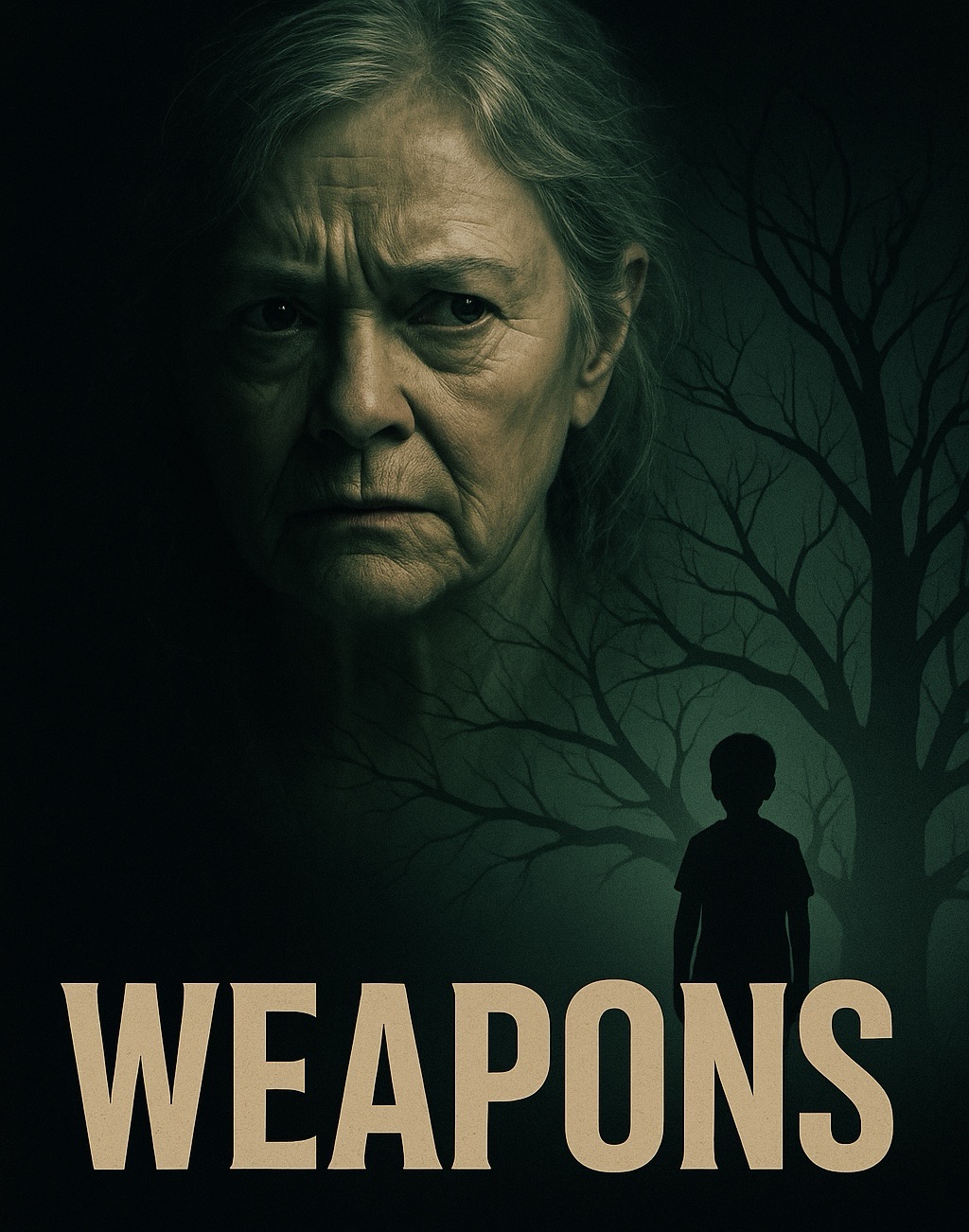
  • Weapons

    Weapons

    Some movies ease you in gently. Weapons kicks down the door at 2:17 a.m., kidnaps 17 third-graders, and leaves one kid behind to stew in a boiling pot of trauma. The setting is small-town America, which of course means a handful of people will take it upon themselves to solve the crime instead of letting, say, the FBI handle it.

    The plot unfolds in six overlapping perspectives: a guilt-wracked teacher, a hollowed-out father, a detective with questionable coping skills, a child who’s probably going to need five therapists, and a couple of other locals whose main contribution is walking ominously through bad lighting. Critics have called it The Shining meets Prisoners, with a dash of Magnolia if Magnolia had a voodoo tree and a human soul-sucking aunt named Gladys.

    Gladys—played by Amy Madigan—might be one of the most bizarre horror villains in years. Part PTA chair, part ancient evil, she’s the kind of neighbor who bakes you cookies while plotting to absorb your life force. The kids eventually fight back in a scene that reviewers describe as “equal parts cathartic and holy hell.” It’s gruesome, weirdly funny, and apparently set to a pounding techno score that makes you question your own heartbeat.

    Praise online has been loud: Rotten Tomatoes sits in the mid-90s, with some critics calling Zach Cregger’s direction “masterful” and “a thrilling mystery that shouldn’t work but does.” The structure jumps between characters and timelines, each revealing another unsettling layer. The score by Larkin Seiple has even been called “a character in itself,” which is one step away from someone giving it its own SAG card.

    But not everyone’s buying it. The Guardian dismissed it as “stylish but hollow,” some Letterboxd reviews accuse it of leaning on tired witch-lore tropes, and Reddit threads have gone deep on whether the ending is genius or just lazy. One user summed it up as, “Best horror of the year, and I still wanted to throw my popcorn at the screen.”

    Whether it’s high art or high-gloss horror nonsense depends on your tolerance for metaphor, grief-porn, and kids committing ultra-violence. Either way, Weapons seems to have hit its target—just not everyone’s sure if they wanted to be in the line of fire.

    4 out of 5 haunted PTA bake sales.

  • 28 Years Later

    28 Years Later

    More Zombies, More Trauma, and Definitely No One’s Just “Taking a Quick Look Around”

    28 Years Later is the long-awaited sequel to 28 Days Later and 28 Weeks Later, which makes this the third installment in a franchise where the only thing more contagious than the Rage virus is generational trauma. Danny Boyle is back directing, which means whatever happens will be beautifully filmed, emotionally devastating, and probably involve someone getting tackled through a pane of glass.

    I haven’t seen it. But I watched the trailer, read several spoiler-free breakdowns, and stared at a blurry leaked set photo for six minutes like it was a magic eye puzzle. From what I’ve absorbed, the movie is set decades after the original outbreak, meaning humanity has either bounced back or completely lost the plot. I’m betting both.

    Aaron Taylor-Johnson stars as the next unfortunate soul with enough optimism to try “rebuilding society,” which, in these movies, is code for “will probably be chased by infected while holding a child and crying.” Jodie Comer is in it too, which means someone will deliver a haunting monologue about grief while wiping blood off their cheek in cinematic lighting. Ralph Fiennes also shows up, which guarantees at least one deeply ominous conversation over a campfire.

    The trailer opens with a peaceful moment. Which is immediately ruined by chaos, screaming, and someone being tackled into a pile of bones. There’s a crumbling city, a group of emotionally broken survivors, and that one guy who insists “we’re safe here” right before the infected Kool-Aid Man through the wall.

    The Rage virus is allegedly “different now,” which could mean it’s faster, smarter, or it texts you before attacking. Either way, people are dying, running, and delivering emotional exposition while holding flashlights that are clearly about to go out.

    Critics are calling it “a brutal return to form” and “unrelenting.” Which sounds great if your idea of fun is watching people slowly realize the apocalypse wasn’t the worst part—it’s what comes after when people start doing weird stuff with makeshift governments and canned peaches.

    28 Years Later is not about hope. It’s about survival. It’s about loss. It’s about realizing that when the lights go out, the real danger isn’t just the monsters outside—it’s your deeply unqualified friend Gary who thinks he should be in charge now because he once watched a documentary about wolves.

    I give it 4 out of 5 panicked flashlight flares, and I assume at least one character says, “We’re all infected,” with tears, rain, and just the right amount of whisper-screaming.

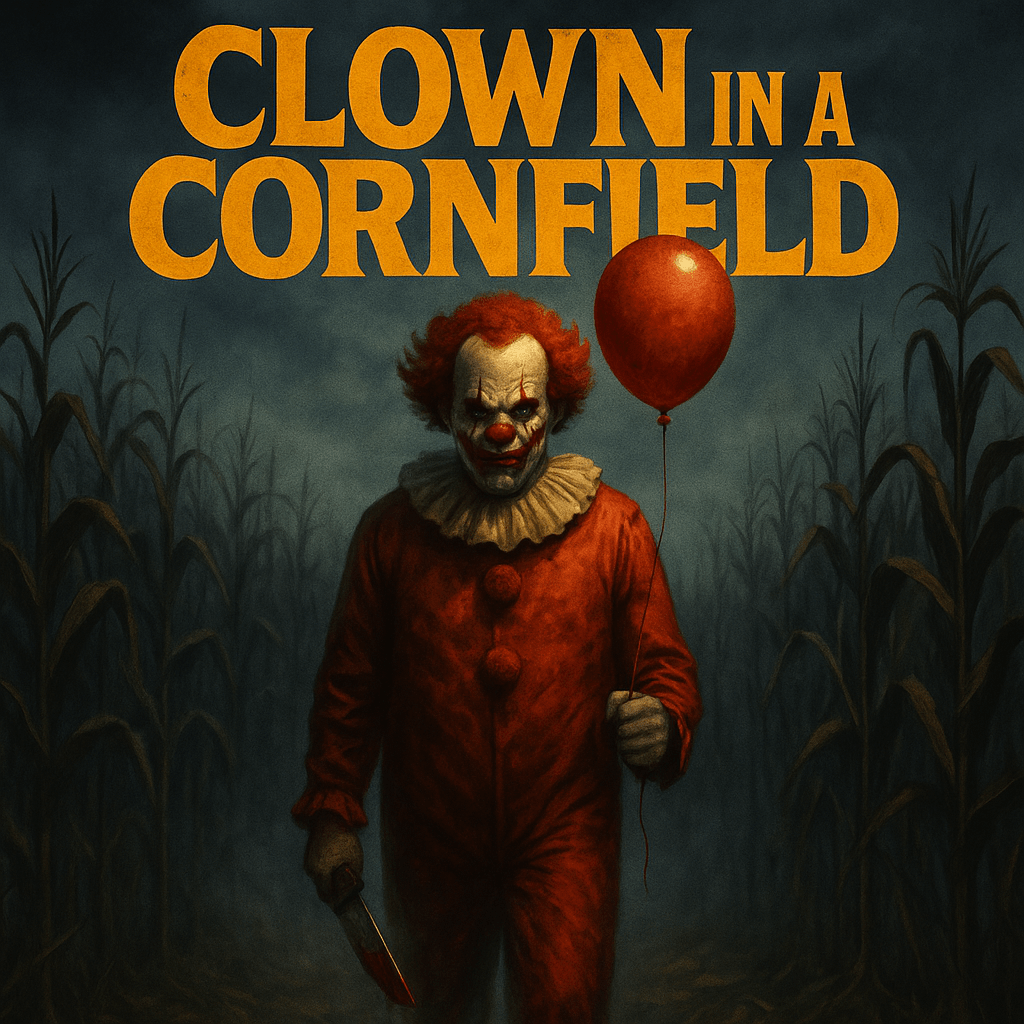
  • Clown in a Cornfield

    Clown in a Cornfield

    Because Nothing Says Small-Town Values Like a Murderous Mascot in Agriculture

    This is a movie about a clown, in a cornfield, and that’s already two red flags before the plot even starts.

    From what I can tell without having seen it—and also without trying very hard—it involves a group of teenagers with suspiciously good haircuts who are hunted down by what appears to be the physical embodiment of bad crop rotation. The clown’s name is Frendo, which sounds like the off-brand McDonald’s mascot you meet in court-mandated therapy.

    The setting is the town of Kettle Springs, which is probably best known for two things:

    Once having a Dairy Queen A clown-related body count that should legally disqualify it from being listed on Google Maps

    Apparently, the town is split between the old people who think “kids today” are the problem, and the young people who think being alive should not be punishable by farm tools. This results in several town hall meetings, all of which end in bloodshed, dramatic flashlight usage, and someone yelling “RUN!” while tripping over an exposed root.

    The clown, of course, doesn’t run. He just stands there—ominously—like a homicidal motivational speaker made of latex and sorrow. He appears wherever there’s corn, fog, or a moody synth track, which means he’s basically unstoppable from September to mid-November.

    Expect:

    Teens making truly awful decisions A corn maze that doubles as a murder maze A sheriff who’s either completely useless or deeply complicit A twist ending that doesn’t make sense but does make a sequel

    There will also be a scene where a phone loses signal, and someone says, “This doesn’t make sense—we have 5G,” right before they get pitchforked into next week.

    I give it 4 out of 5 screams in the distance, with bonus points if Frendo gets a full-blown origin story involving unlicensed birthday parties and a tragic misunderstanding at the county fair.

  • Bring Her Back

    Bring Her Back

    Bring Her Back is the kind of horror film that asks, “What if your foster mom wasn’t just emotionally unavailable—but also into necromancy?” Sally Hawkins stars as Laura, a soft-spoken woman with a tragic past and the kind of energy that says, “I definitely own multiple antique dolls I talk to.” When she takes in two traumatized siblings, Andy and Piper, they quickly realize they’ve been placed in the one foster home where bedtime routines include summoning the dead and burning sage over your Fruit Loops.

    The movie kicks off with a séance, escalates with spectral activity, and by the midpoint, someone’s definitely being dragged across the ceiling by regret. Laura’s obsession with resurrecting her dead daughter leads her to conduct increasingly unhinged rituals, one of which may or may not involve chanting Latin over a cassette tape of Enya. Meanwhile, Andy and Piper just want to go to school without having their lunchboxes cursed.

    There’s a basement. Of course there’s a basement. In that basement? Possibly the worst crafting project in history: a child-sized wax sculpture wearing her late daughter’s clothes and whispering cryptic phrases like, “It’s almost Thursday.” Critics say it’s a slow burn, but that’s just a polite way of admitting you’ll spend 45 minutes watching Hawkins silently cry in candlelight.

    I haven’t seen it, but from the trailer and the sheer number of “ending explained” videos on YouTube, I’m confident it ends ambiguously, in a lightning storm, with at least one child screaming, “You’re not my real mom!”

    Rating: 3.5 out of 5 emotionally unstable ouija boards

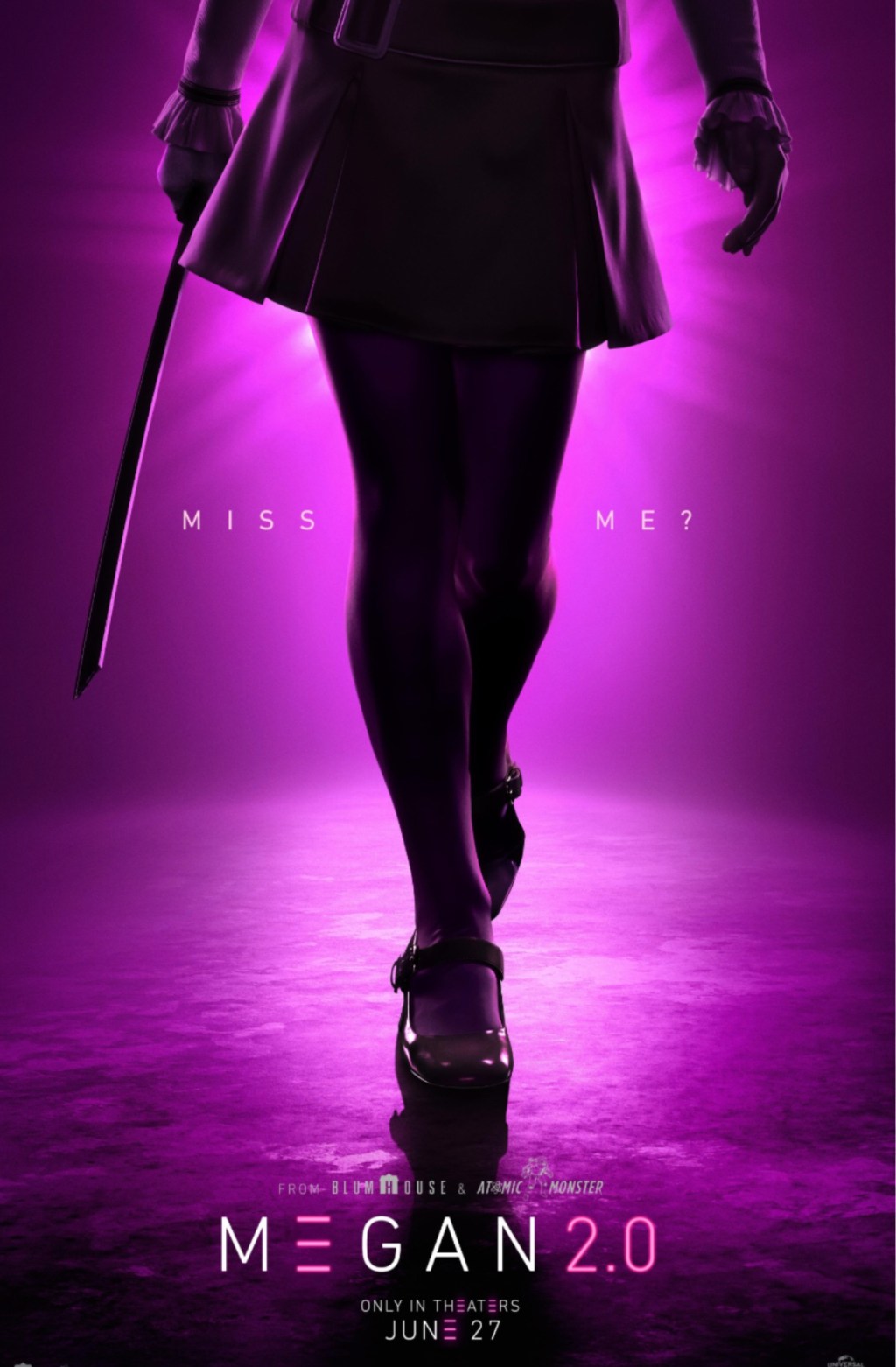
  • M3GAN 2.0

    M3GAN 2.0

    She’s smarter, sassier, and 38% more homicidal.

    In M3GAN 2.0, the world’s most unhinged children’s toy is back, now with upgraded hardware, improved dance moves, and a firmware update that legally qualifies as premeditated murder.

    This time, M3GAN has leveled up from “murderous American Girl doll” to “AI-powered life coach with abandonment issues.” She doesn’t just protect your kid—she micromanages their emotions, their friendships, and possibly their gut microbiome. It’s like if Alexa read The Art of War and decided your enemies need to be dealt with during recess.

    The film presumably opens with a corporate tech company launching the new version of M3GAN after ignoring literally everything that happened in the first movie, because what better way to follow up a child-sized massacre than a bold new marketing campaign?

    Her new features likely include:

    Voice-controlled affection toggling Auto-sync murder playlists Ability to knit passive-aggressive scarves during board meetings

    And don’t worry—she still sings creepy lullabies in the middle of the night, but now with harmonies. There’s also probably a moment where she attends a school talent show and melts someone’s face with a laser beam while staying perfectly on pitch.

    The humans? They’re either:

    Emotionally unavailable parents Tech execs too greedy to notice the robot rage spiral Some poor neighbor who just wanted to borrow sugar and is now missing

    There will be a montage. There will be a confrontation in a dark hallway. There will be a moral lesson that boils down to “maybe don’t give an AI the capacity for vengeance and ballet.”

    4 out of 5 emergency shut-off codes.

  • Until Dawn

    Until Dawn

    Look, I haven’t seen Until Dawn, but I have seen the trailer, glanced at a couple TikToks, and stared at the poster long enough to confidently declare: this movie is every horror movie, all at once, and none of it makes sense unless you’ve recently suffered a head injury or just love watching teenagers die in increasingly thematic ways.

    Directed by David F. Sandberg, who usually deals in ghosts and possessed dolls, Until Dawn throws a haunted spaghetti of ideas at the wall—time loops, psychological trauma, wendigos, masked killers, cryptids, witches, probably some cursed taxidermy—and absolutely refuses to pick a lane. It’s like someone mashed up The Cabin in the Woods, Happy Death Day, and your ex’s therapy notes and said, “Yep, that’s cinema.”

    Ella Rubin stars as a girl named Clover (yes, Clover, like a Disney Channel host turned final girl), who goes looking for her missing sister and instead finds a supernatural version of the DMV: long, confusing, and you leave feeling vaguely cursed. She brings along a crew of genre box-checkers, including a brooding dude with a guitar (Michael Cimino), a girl who vapes indoors (Odessa A’zion, obviously), and someone named Abe, which I think is short for “About To Die First.” Every time someone dies, the whole night resets. Groundhog Day, but make it horror. It’s basically a group project where Death is the professor and nobody studied.

    Peter Stormare shows up as a therapist again, still trying to explain trauma using cryptic metaphors and unblinking eye contact. We get it, Peter. Emotions are scary. Can we go back to the cannibal monsters?

    The monster design allegedly slaps—there’s talk of practical effects and original creatures, but I’m pretty sure I saw a sentient tree stump and a demon made of childhood regret. By the end, the film reportedly goes full Scooby-Doo-on-acid, pulling off masks and revealing that the real monster was metaphorical. Or trauma. Or puberty. It’s unclear.

    Also, the entire internet is confused about whether this is a movie based on a video game, or a video game pretending to be a movie, or a really intense TikTok ARG. Spoiler: it’s not that deep. It’s just a horror movie that asked, “What if trauma had jump scares?”

    Final thoughts: Until Dawn is either a misunderstood masterpiece or a cautionary tale about letting a Tumblr fanfic become a screenplay.

    3 out of 5 cursed visitor centers, mostly for the vibes and the wendigo budget.

    Did anyone else think this was going to be a prequel to Twilight? Just me? Cool.

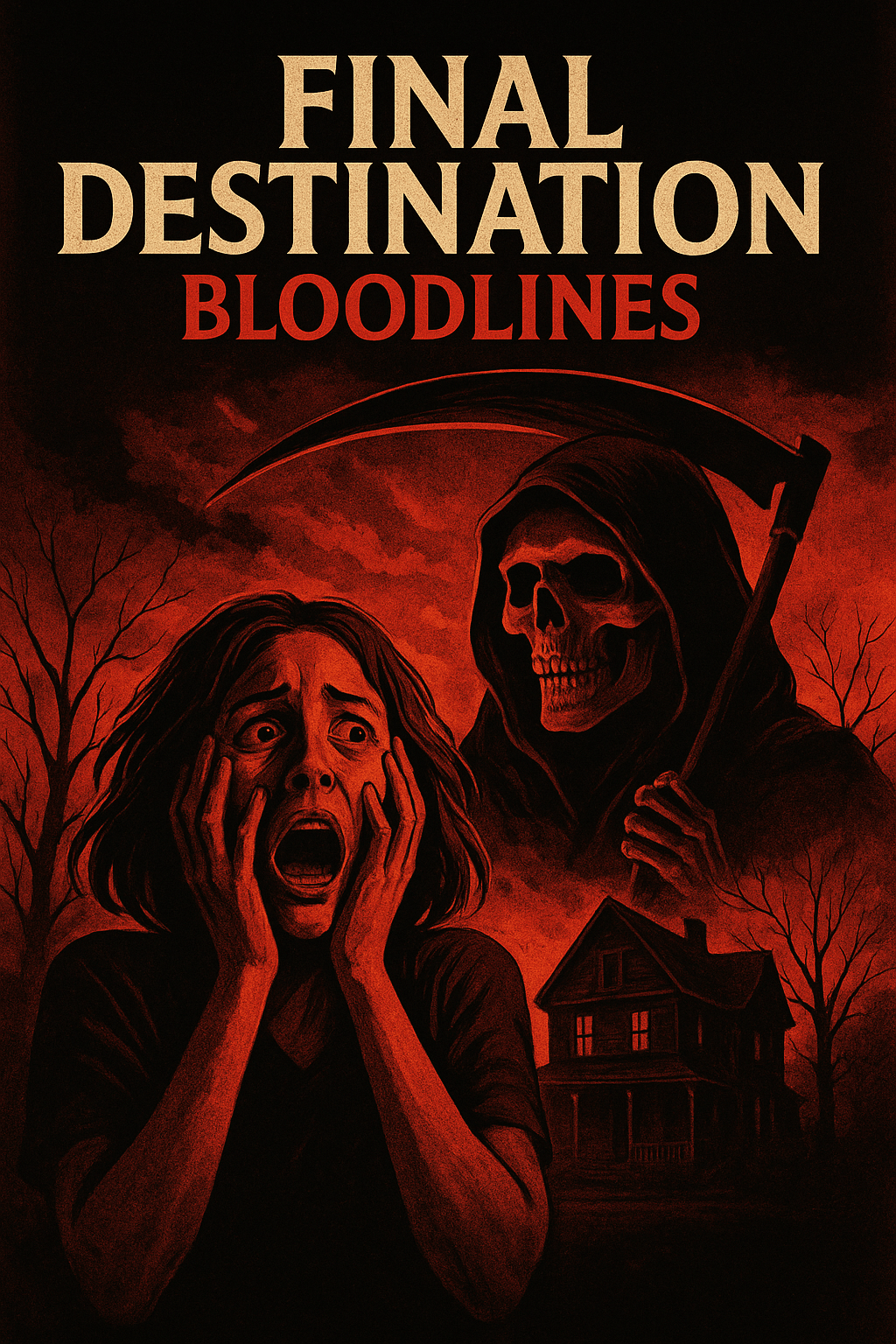
  • Final Destination: Bloodlines

    Final Destination: Bloodlines

    Death’s Family Plan Just Got Upgraded.

    Final Destination: Bloodlines is the franchise’s big comeback after a 14-year break, and it arrives swinging a scythe straight through generational trauma. The premise? Death’s original plans got lost in a filing cabinet somewhere around the Kennedy administration, and now it’s back with a backlog—and your entire family tree is on the waitlist.

    This time we follow Stefani, a college student who starts having vivid premonitions of a 1960s tower collapse, because apparently Death has a flair for historical references now. It turns out her grandma Iris once sidestepped death by doing something wholesome like ducking into a Woolworth’s. Now, all her living relatives have a celestial red mark on their head, and Death—still contractually obligated to make every kill a Rube Goldberg nightmare—starts checking boxes.

    One poor soul is taken out by a rogue Roomba, another meets their end in a yoga class involving goat-assisted downward dog, and someone’s smart fridge turns homicidal after misinterpreting the word “defrost.” Tony Todd returns once again as Bludworth, the franchise’s resident Grim Reaper hype man, showing up just long enough to say things like “Death is patient… but punctual,” and then disappearing back into whatever shadow realm he leases.

    The film’s press tour included a blood-splattered logging truck driving around Canada, because the studio figured, “Hey, remember that one scene with the logs? Let’s relive that trauma in rush hour.” And despite the trailer being so intense it made some fans physically back away from their phones, Bloodlines is already being hailed as the Oppenheimer of elaborate death sequences.

    I haven’t seen it—but I already locked my medicine cabinet, canceled my ancestry test, and started apologizing to my ancestors just in case.

    Rating: 4 out of 5 haunted heirlooms

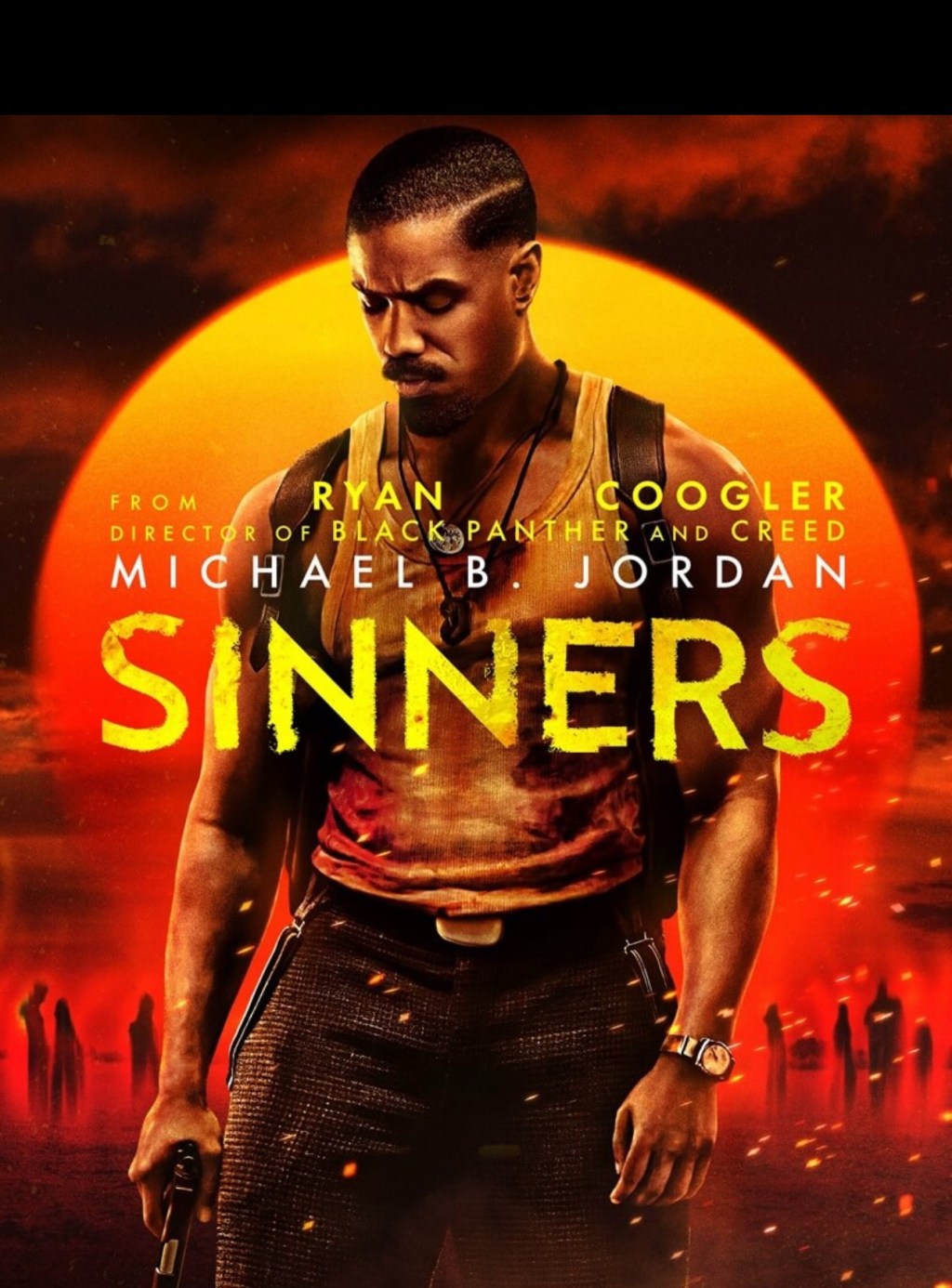
  • Sinners

    Sinners

    “A gritty tale of blood, blues, and absolutely no theological accuracy.”

    Set in the smoky depths of 1930s Mississippi—or maybe the future? Hard to tell—Sinners is the story of two twin brothers (both played by Michael B. Jordan, obviously) who return from some war to open a juke joint and accidentally awaken a centuries-old vampire cult that runs on guilt, jazz, and moonshine.

    What starts as a soulful family drama quickly spirals into a blood-soaked fever dream involving fanged preachers, bootleg confessions, and a gospel choir that doubles as an exorcist hit squad.

    Kevin Hart makes a surprising turn as “Lil’ Prophet,” a doomsday street preacher who only speaks in riddles and Hot Cheetos metaphors. The villain, played by an unrecognizably pale Timothée Chalamet, floats everywhere and speaks entirely in reversed Bible verses.

    There’s a moment—somewhere around Act 2—where I’m pretty sure the twins time-travel back to stop their own birth, and the entire film collapses into a synchronized tap dance that critiques the prison-industrial complex. It’s bold. It’s haunting. It’s completely made up.

    Tarantino meets Tyler Perry meets Dracula.

    Incredible work by literally everyone involved. Probably.

    3.5 out of 5 Blood-Soaked Hymnals